
Blog
Discover the ancient Kakhetian tradition of making wine in underground clay vessels called Qvevri and learn why Georgian wine culture is considered one of the oldest in the world.
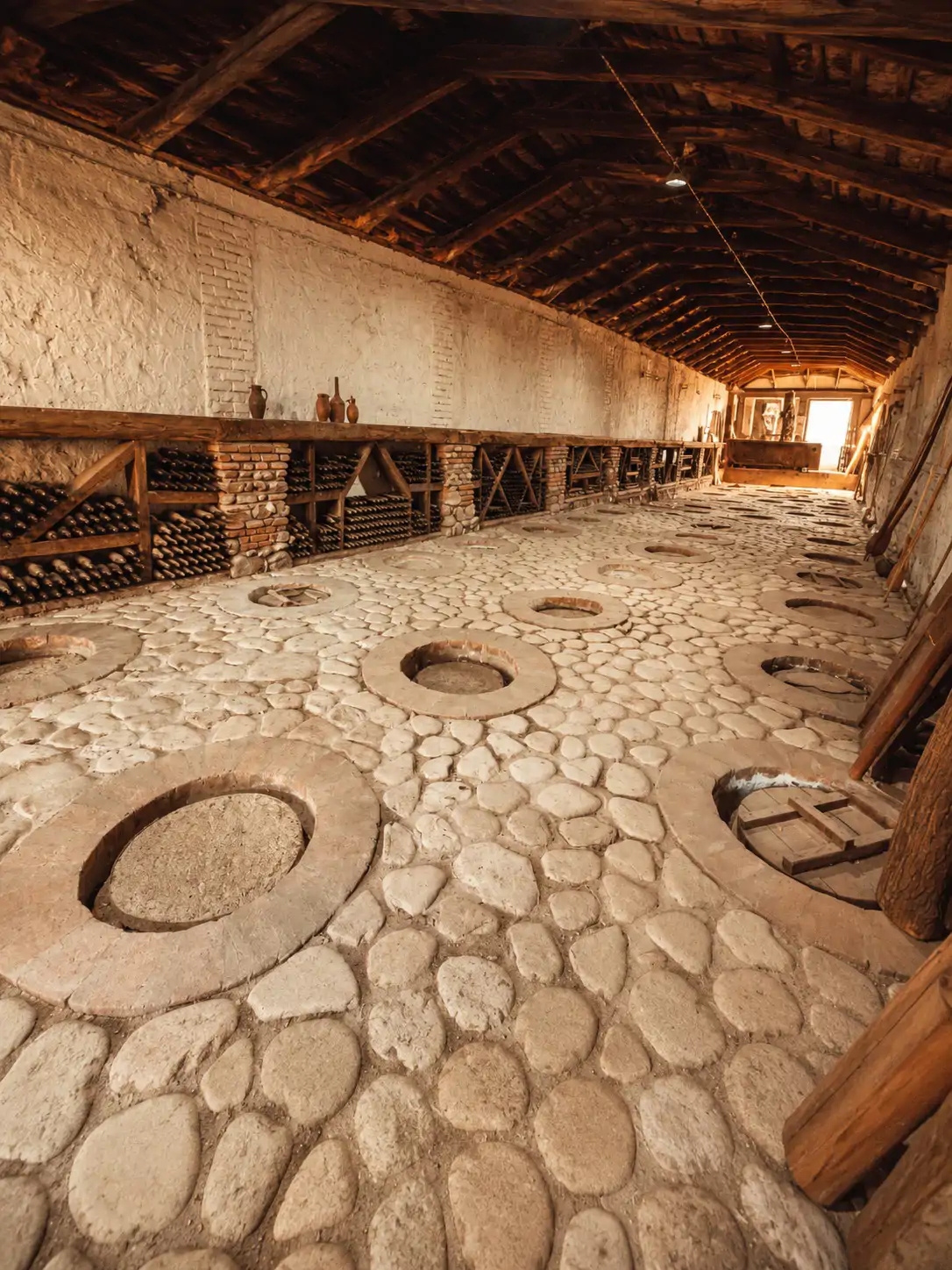
In most countries, wine is stored in barrels or steel tanks. In Kakheti, Georgia’s most famous wine region, many families still bury their wine underground in giant clay vessels called Qvevri — just as their ancestors did thousands of years ago.
At first glance, the tradition seems unusual. Why would anyone place wine beneath the earth? But for Georgians, especially in Kakheti, the answer is deeply connected to nature, spirituality, and identity.
The Qvevri method dates back more than 8,000 years, making Georgia the oldest wine-producing country in the world. The large egg-shaped clay vessels are buried completely underground, where the earth naturally keeps a stable temperature throughout the year. This ancient system allows the wine to ferment slowly and naturally, developing rich flavors and textures impossible to recreate with modern technology.
But the secret is not only in burying the wine underground.
The Qvevri itself plays a very important role in the winemaking process. These handmade clay vessels allow the wine to breathe naturally during fermentation and aging, helping it develop deeper aromas, richer texture, and unique character. Unlike metal tanks, clay keeps the wine alive and balanced while preserving its natural qualities. The egg-like shape of the Qvevri also helps the wine circulate naturally inside the vessel, improving fermentation without artificial intervention.
But in Kakheti, wine has never been only about taste.
For centuries, wine was part of everyday life, religion, hospitality, and storytelling. Every family traditionally had its own Marani — a wine cellar considered one of the most sacred places in the house. Important conversations, celebrations, harvest feasts, and even life decisions often happened beside the buried Qvevri.
One of the most fascinating details tourists rarely know is that some Kakhetian families still use Qvevri that are over 100 years old. These vessels are cleaned by hand using natural materials such as cherry bark and limestone, following techniques passed down through generations.
Even today, many winemakers in Kakheti believe wine made in Qvevri is “alive.” Unlike industrial wines, it changes naturally over time, carrying the character of the soil, climate, and family traditions. UNESCO even recognized the Georgian Qvevri winemaking method as part of the Intangible Cultural Heritage of Humanity.
Traveling through Kakheti, visitors may notice small wine cellars hidden behind ordinary village houses.
Often, the most unforgettable wine experiences happen not in luxury wineries, but in family homes where locals still welcome guests with homemade wine, fresh bread, and traditional toasts led by a Tamada — the Georgian toastmaster.
To understand Kakheti, tasting the wine is not enough. You must also understand the stories buried beneath it.