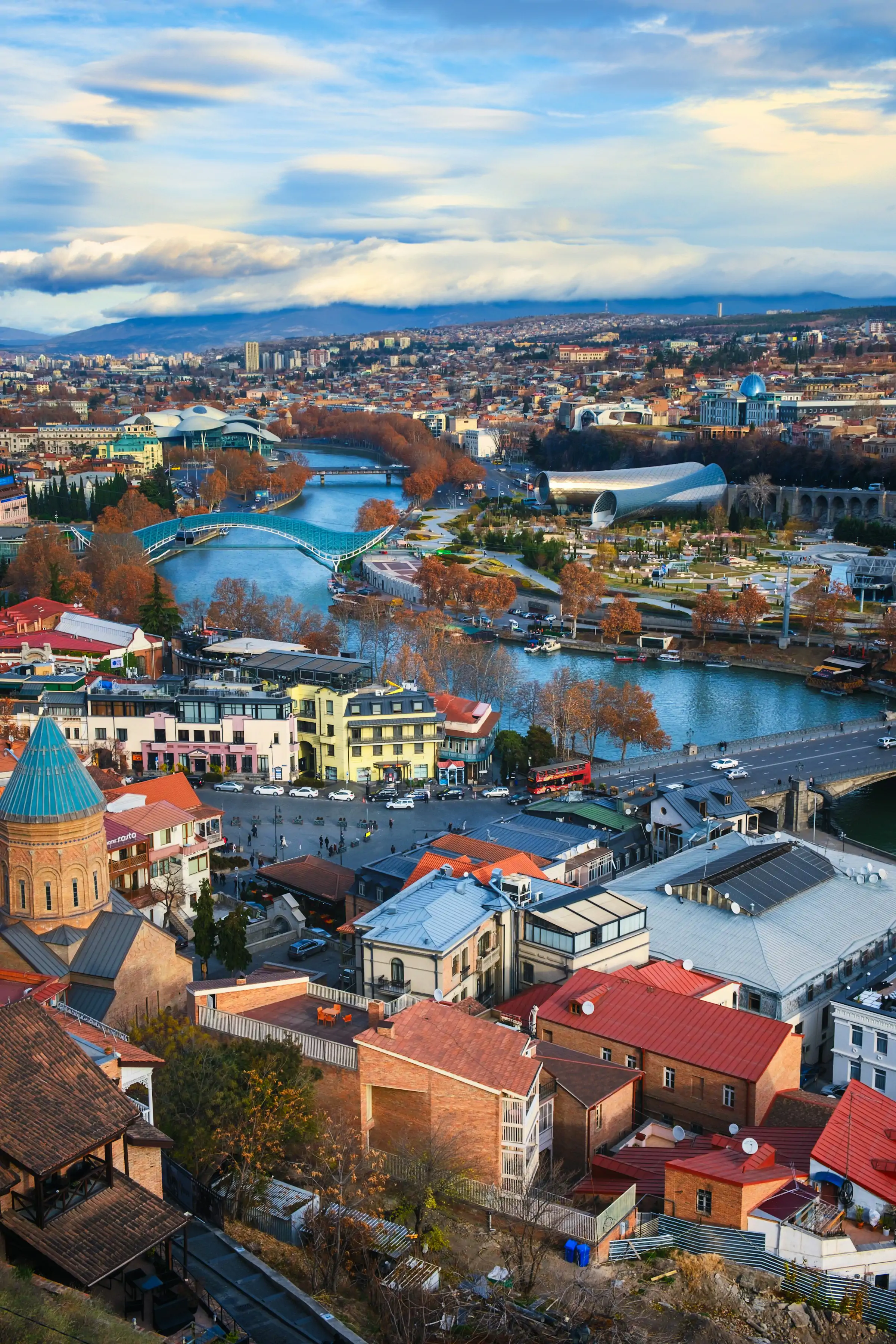
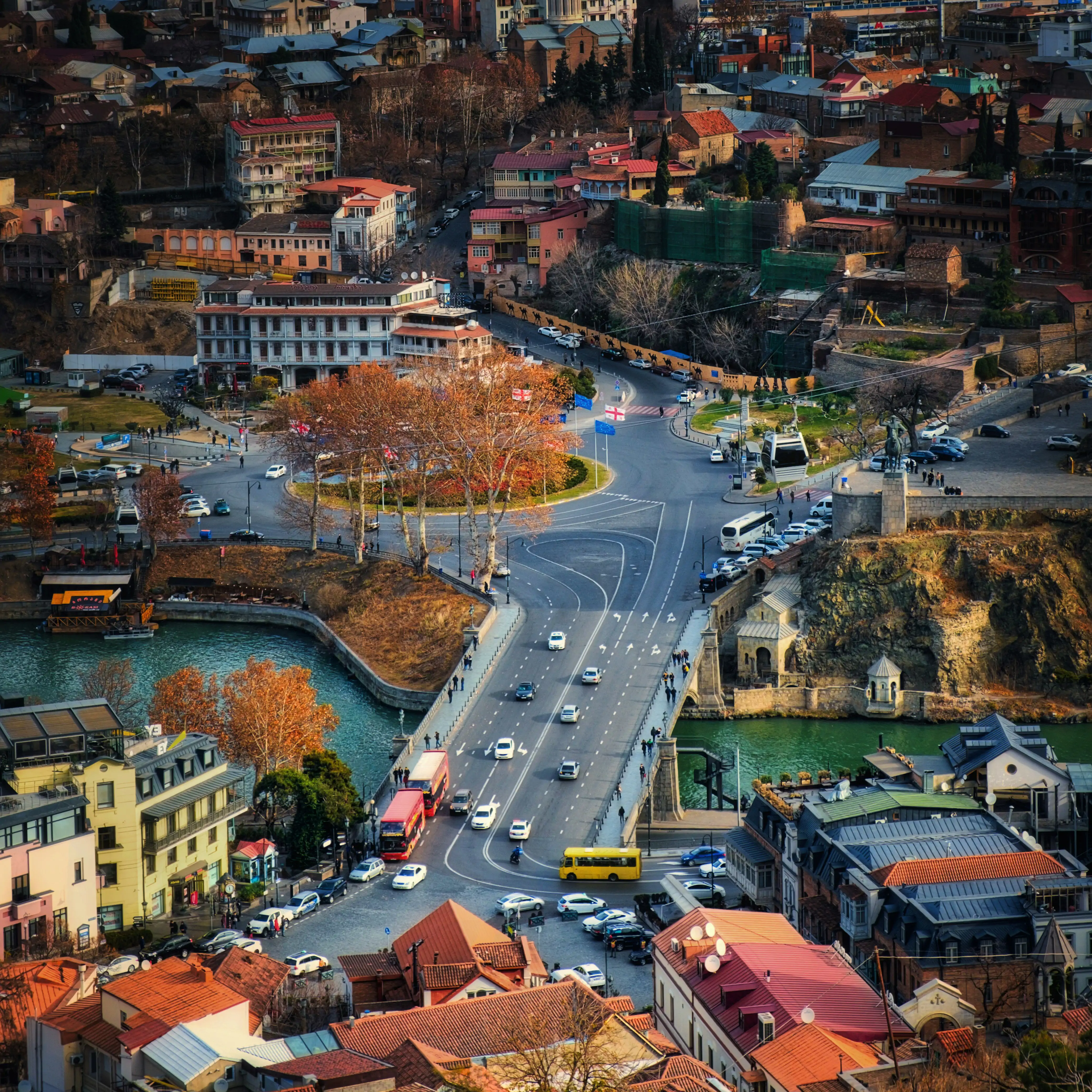
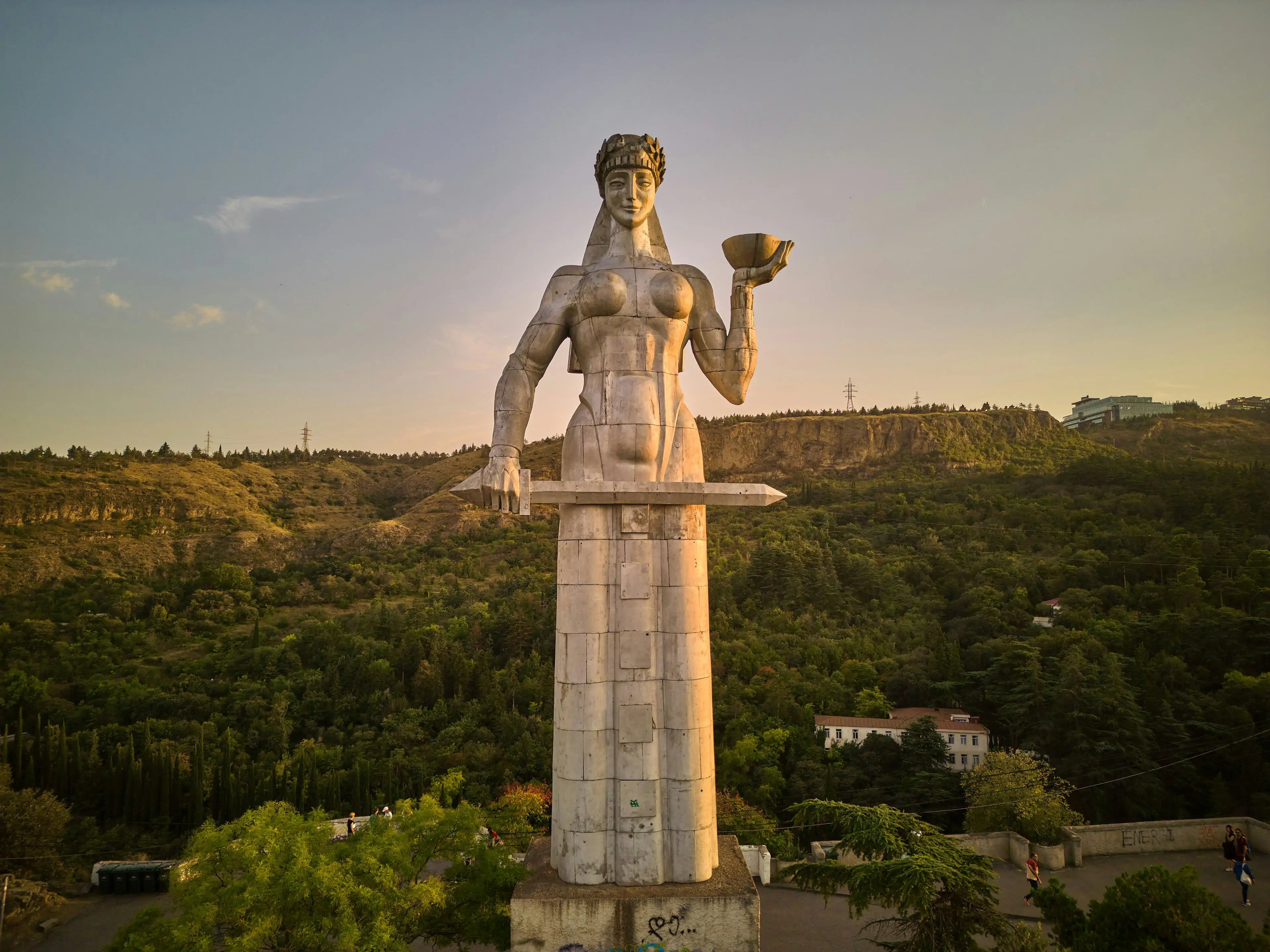
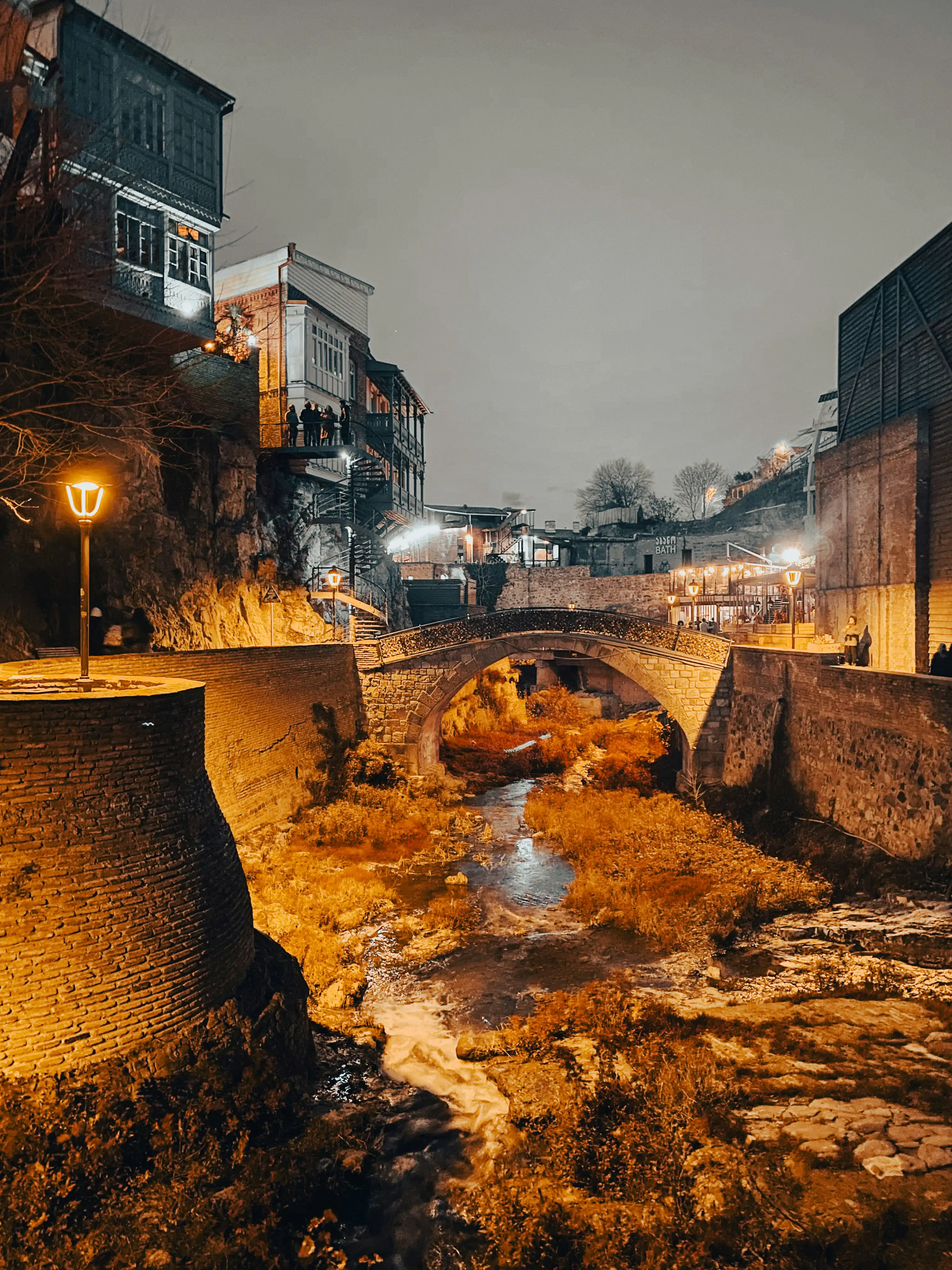
Old Tbilisi refers to the historical parts of Tbilisi. Although the term "Old Tbilisi" has long been used to denote the oldest part of the city, it was only in 2007 that it became an official administrative distinct, while also incorporating several historical neighbourhoods formerly included in the districts of Mtatsminda-Krtsanisi, Isani-Samgori, and Didube-Chugureti. The official district was abolished in 2013, with its territories allotted to several other divisions of the capital; however, locals and visitors continue to refer to historical districts as "Old Tbilisi" without precise boundaries.
Traveler Tips
- Wear comfortable shoes — the area has cobblestone streets and steep sections.
- Allow 2–4 hours to explore at a relaxed pace.
- Visit Abanotubani and Narikala for some of the most iconic Old Tbilisi views.
- Plan extra time if you want to visit a sulfur bath, museum or religious site.
Fun Facts
- The name Tbilisi is connected to the Georgian word tbili, meaning “warm”, referring to the city’s natural hot springs.
- Abanotubani means “the district of baths.”
- In the 17th century, French traveler Jean Chardin described the area as a meeting place of people from many different cultures.
- Old Tbilisi combines Georgian, Armenian, Catholic, Jewish and Muslim heritage within a relatively compact area.