
City Guide
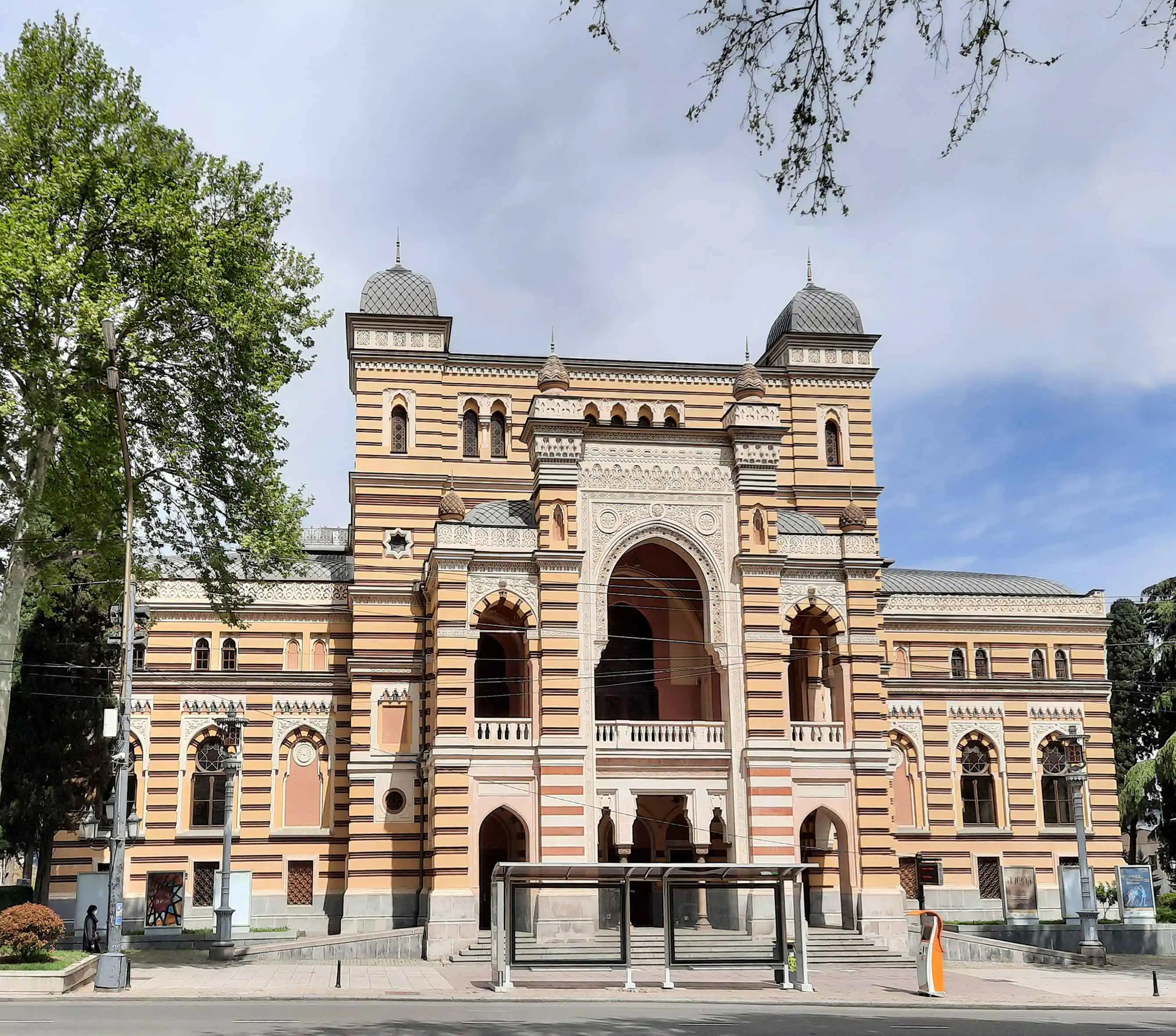
The Georgian National Opera and Ballet Theater of Tbilisi founded in 1851, Tbilisi Opera is the main opera house of Georgia and is among the oldest opera houses in Eastern Europe.
Built in 1851, when Georgia was under the rule of the Russian Empire, the opera became a symbol of European culture in the Caucasus. But culture here was never separated from politics. The theatre stood through revolutions, imperial control, and later Soviet rule.
During the Soviet era, art was tightly controlled. Performers, composers, and intellectuals lived under censorship and fear. In the 1930s, under Joseph Stalin — himself born in Georgia — repression spread across the country. Many Georgian artists were arrested, exiled, or executed during the Great Purge. The opera house remained open, but behind the velvet curtains, silence and anxiety often replaced freedom.
Yet even in those dark decades, music survived. Georgian composers continued to create, sometimes hiding national identity inside officially approved works. The stage became a quiet form of resistance — beauty existing despite oppression.
Today, when visitors admire its golden balconies and oriental architecture, they see elegance. But the building also carries memory — of empire, of censorship, of resilience.
The Tbilisi Opera is not only a theatre. It is a witness to Georgia’s struggle to keep its voice.