
TbilisiCommunity Space7 min read
The Sound of a Community in the Making
What begins with three friends, a record label and a shared love of music can grow into something much bigger. In Tbilisi, Pluto’s Records brings together vinyl, musical discoveries and people who believe that listening is better when it is shared.
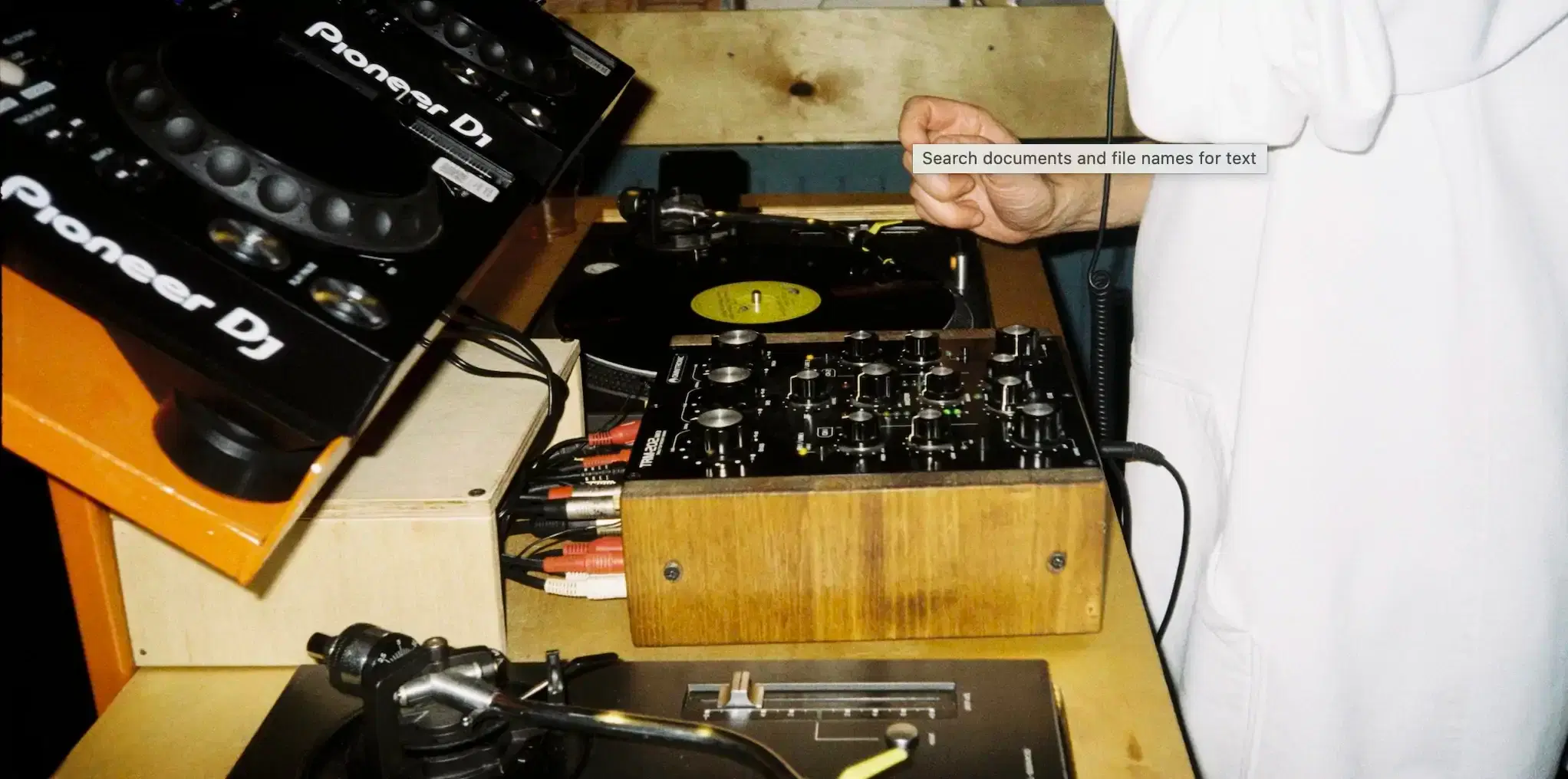
Every record has a story. At Pluto’s Records, some of those stories come from the music itself; others from the people who find it, play it and bring it into the room. Part record shop, part bar and a meeting point for a growing music community, the space is the result of a project that began long before its doors opened.
Its origins go back to 2019, when three friends decided to create their own music label and event series, Pluto’s Plan. That February, they launched the first events at three of Tbilisi’s music venues: the legendary Café Gallery, Reflector and Candy. Among their early guests were Castro and Nemo, the founders of the Sound Metaphors record label and record shop.
The following year, Pluto’s Plan released its first vinyl record - an important step in shaping the project’s identity. From the beginning, the label’s releases were accompanied by fictional stories set in a post-apocalyptic world. In this imagined universe, Pluto had discovered the music and sent the files back to the future to be decoded. Each record released over the years became part of this archive: music recovered by Pluto, featuring tracks by local and international artists.
To date, Pluto’s Plan has released six records.
As the label and event series developed, the founders began to imagine a place where they could bring together the people around them, share music and spend time beyond individual events. That idea eventually became Pluto’s Records.
“We soon realised that we needed a space where we, our friends and the members of our community could come together, spend time and share music. That is how the idea of Pluto’s Records was born. From the very beginning, we knew it had to be a combination of a record shop and a bar. We think we managed to bring that idea to life, more or less,” the founders explain.
A Space They First Wanted for Themselves
Behind the project are Lasha Margiani, known by his stage name Hatsvali, and Ana Butskhrikidze. Margiani is a Georgian producer and DJ who has been active in the local club scene for years. He writes electronic music and releases it through various Georgian and international labels. Butskhrikidze offers a much simpler introduction to her relationship with music: “Just a music lover.”
The idea for Pluto’s Records grew out of their own experiences as listeners. Over the years, they had spent time at events, bars and record shops both in Tbilisi and abroad. Eventually, they wanted to create a place that brought together the interests and experiences they had encountered along the way.
“For us, it was important to create a meeting place for ourselves and our friends in the first place,” they say. Somewhat unintentionally, a much wider audience gathered around the space over time than just us and our friends.”
That wider audience is reflected in the people who visit the shop. Its customers include Georgian and international artists, musicians, DJs, people working in the arts and other fields, as well as music enthusiasts and collectors. Some come looking for a record to add to their collection, while others buy vinyl as a gift. Many are artists who purchase records they later play in their own sets.
Around 3,000 Records and the Pleasure of the Search
Today, the shop holds approximately 3,000 vinyl records. Electronic music remains its main focus, but the collection also includes albums and singles from different genres.
Building that collection is an ongoing process. The team regularly travels abroad, searching for records through private sellers and record shops. One of their recent trips took them to the Record Planet Mega Fair in Den Bosch, the Netherlands - an experience they describe as particularly memorable.
The scale of the fair was striking: a hall roughly the size of two stadiums, around 800 sellers and hundreds of thousands of records. For the team, arriving in such an environment was initially both euphoric and overwhelming. But the experience soon turned into an opportunity to discover new music, meet sellers and connect with representatives of labels including Far Out Recordings, Habibi Funk and Analog Africa.
They returned with more than new contacts. The trip resulted in the purchase of over 1,500 records, many of which now sit on the shelves at Pluto’s Records.
The experience also helped establish relationships with larger sellers and sparked considerable interest in the shop. Today, some of those sellers contact the team themselves, offering interesting collections. The process can sometimes involve a degree of surprise: the founders have even bought boxes of records without knowing what is inside, only to discover their contents once the collection arrives in Tbilisi.
Alongside the search for international releases, supporting local musicians and labels remains an important part of the shop's approach. The team makes an effort to bring their music onto the shelves and is always open to collaboration.
The Music Doesn't Stop at the Shelves
At Pluto’s Records, music is not simply something to browse and buy. It is also what brings people together in the space throughout the week.
Musical sessions take place two to three times a week, featuring Georgian artists and, often, international guests. Saturdays have their own format: Selector Night, an invitation for people from different professional backgrounds to share their musical selections with an audience.
The idea is deliberately open. Participants do not have to be DJs or musicians, and they do not need mixing skills. They can share their selections on vinyl or digitally. What matters is having music they want others to hear.
The founders have seen how meaningful this opportunity can become. Some people who first appeared at Selector Night have since been inspired to start playing music themselves, with several going on to become quite successful. Others have told the team that they fulfilled a personal dream by standing behind the equipment and sharing their musical taste with an audience - something they had never imagined they could do without a DJ title or previous experience.
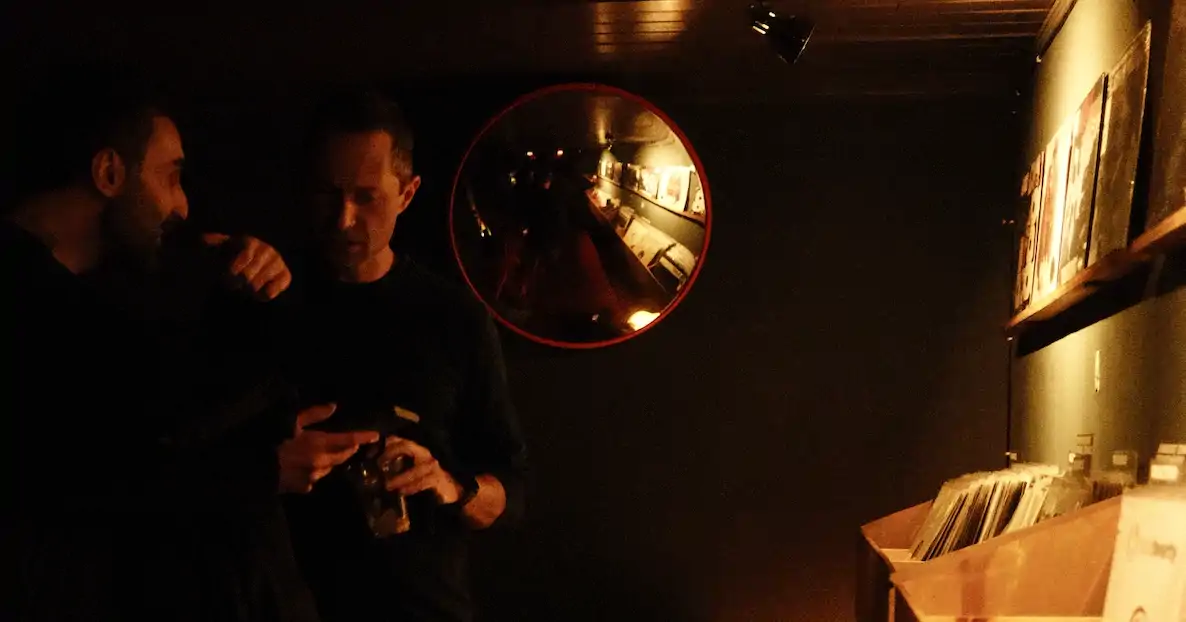
The format has become a way of making the space accessible to people whose relationship with music might otherwise remain private. A musical selection becomes a form of expression, and the person behind it becomes part of the evening.
Thursdays Are for Playlists
Another tradition began shortly after Pluto’s Records opened: Playlist Night, which still takes place every Thursday.
At first, the founders put together the playlists themselves, exploring different musical genres, historical periods, and the work of particular bands or artists. The themes could be wide-ranging. One evening, for example, was dedicated to movie soundtracks.
Over time, the format expanded to include friends and visitors with interesting musical tastes. They were, and still are, welcome to create their own playlists and share them at the space on designated days.
The idea helped shape Pluto’s Records into a place associated with thoughtful music selection. It also became a learning experience for the founders themselves, who say they have grown considerably in their musical knowledge and taste through the process.
From themed evenings to selections brought in by guests, Playlist Night offers another way to discover music without the structure of a traditional DJ set. It is an invitation to listen through someone else's ears and find something unexpected along the way.
A Community with Its Own Sound
Looking at Pluto’s Records today, it is easy to trace the connections between its different parts. The label gave the project its first identity; the events brought people together; the record shop created a place for musical discovery; and the bar made room for those encounters to continue beyond a single performance.
What started as an idea shared by three friends gradually attracted an audience much wider than the one they had initially imagined. Around 3,000 records, regular musical sessions, Saturday Selector Nights and Thursday playlists are all part of a space that continues to grow through the people who use it.
At Pluto’s Records, you do not necessarily need to be a collector, a DJ or a musician to take part. Sometimes, all it takes is a record you want to hear, a playlist you want to share or the curiosity to discover what someone else has chosen.
- Published
- November 4, 2026
- Words by
- Anano Atabegashvili
Keep reading
More from Tbilisi.

Jazz Club 1984: A Jazz Story from Tbilisi
In 2021, Daniel Adikashvili was planning to leave Georgia. He had set aside money for a musical trip abroad, but eventually decided to use it to open a jazz club in Tbilisi instead.
FIFTY: Where Ideas Meet People
Some meaningful collaborations begin outside the conference room. Sometimes, all it takes is a bar, a cocktail and a shared interest. FIFTY is exactly that kind of place in Tbilisi - a space where people come together and, in turn, help shape the community they co-own.
A Faithful and Thoughtful Host to the Old City
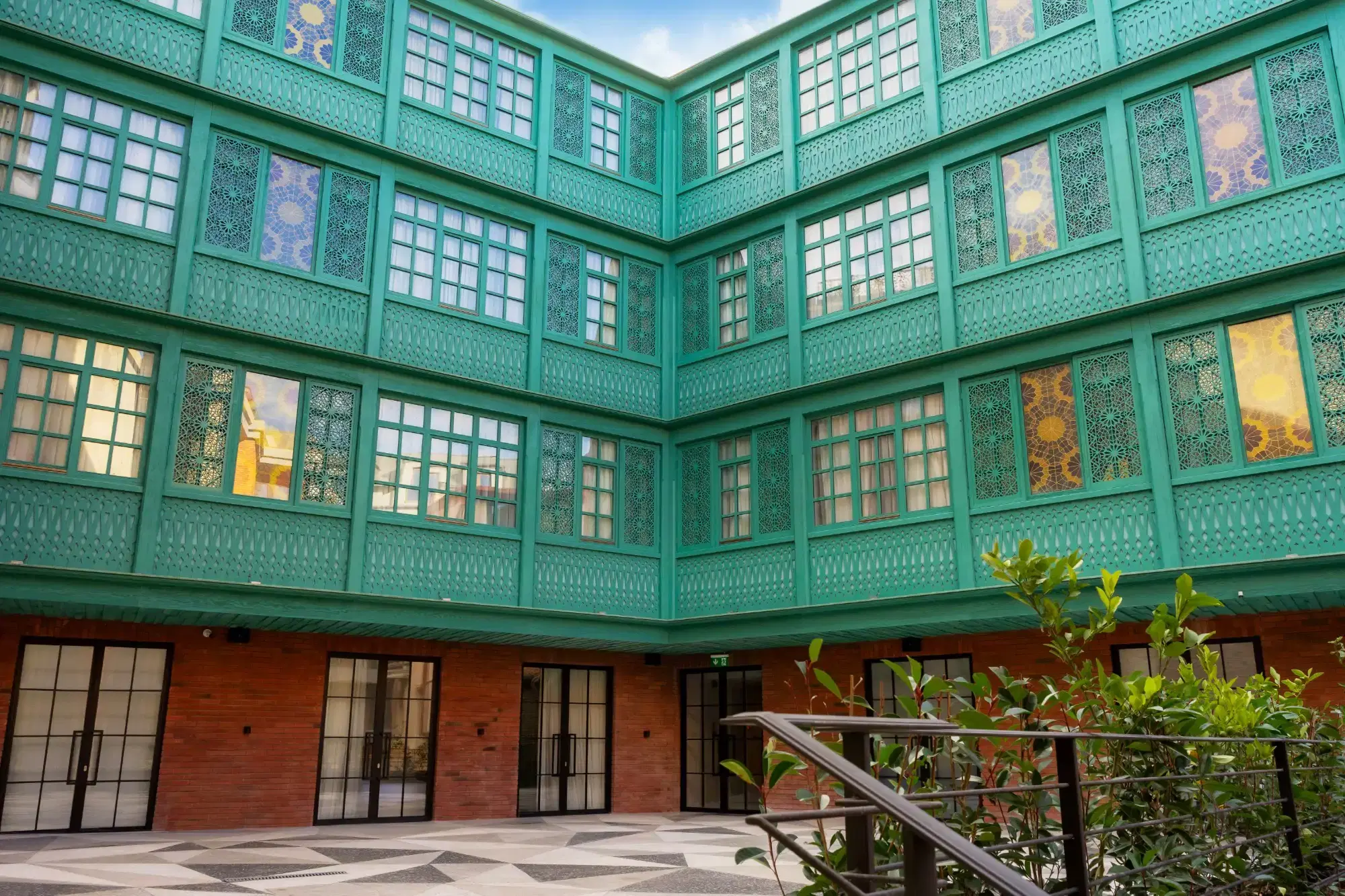
Old Tbilisi’s architecture, an interior inspired by the Georgian alphabet, and a form of hospitality that goes beyond the visual impression - this is ibis Styles Old Tbilisi. We asked its General Manager, Ketevan Lortkipanidze, to describe the hotel in a single sentence. Her answer became the headline of this story.