The Art of Bringing Flowers to Life
A closer look at the thought, feeling and philosophy behind a carefully composed bouquet.
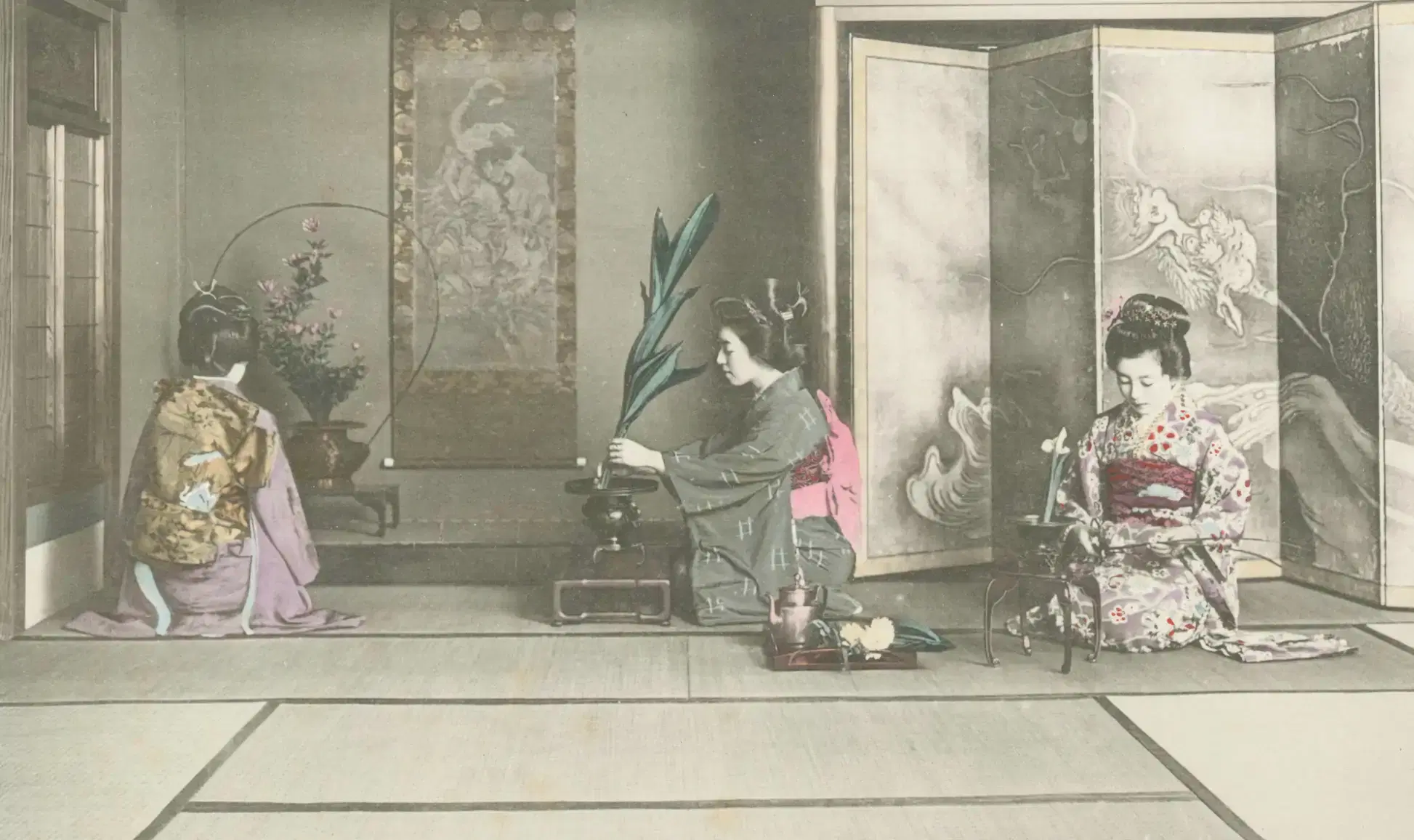
A single flower, a curved branch and the space between them can be enough to create a striking arrangement. This is the idea behind ikebana, the traditional Japanese art of flower arranging, where every element has a purpose and what is left out matters as much as what is included.
A tradition shaped over centuries
Ikebana traces its roots to the Buddhist practice of offering flowers at altars in Japan, dating back to the sixth century. Over time, these offerings developed into a distinct art form, shaped by Japanese aesthetics and a close attention to the natural world.
Unlike arrangements that focus on abundance, ikebana places emphasis on line, shape, proportion and negative space. Branches, leaves and flowers are considered together, with each element contributing to the balance of the whole. Seasonal materials are often central to the composition, reflecting the changing character of nature.
Over the centuries, different schools have developed their own approaches, from traditional, structured arrangements to more contemporary interpretations. Yet the central idea remains: a thoughtful composition can reveal the beauty of natural forms without overwhelming them.
The art of paying attention
Ikebana is as much about the process as the finished arrangement. Choosing a branch, noticing the direction of a stem and deciding where to leave space all require patience and observation. It offers a different way of working with flowers, one that favours intention over abundance.
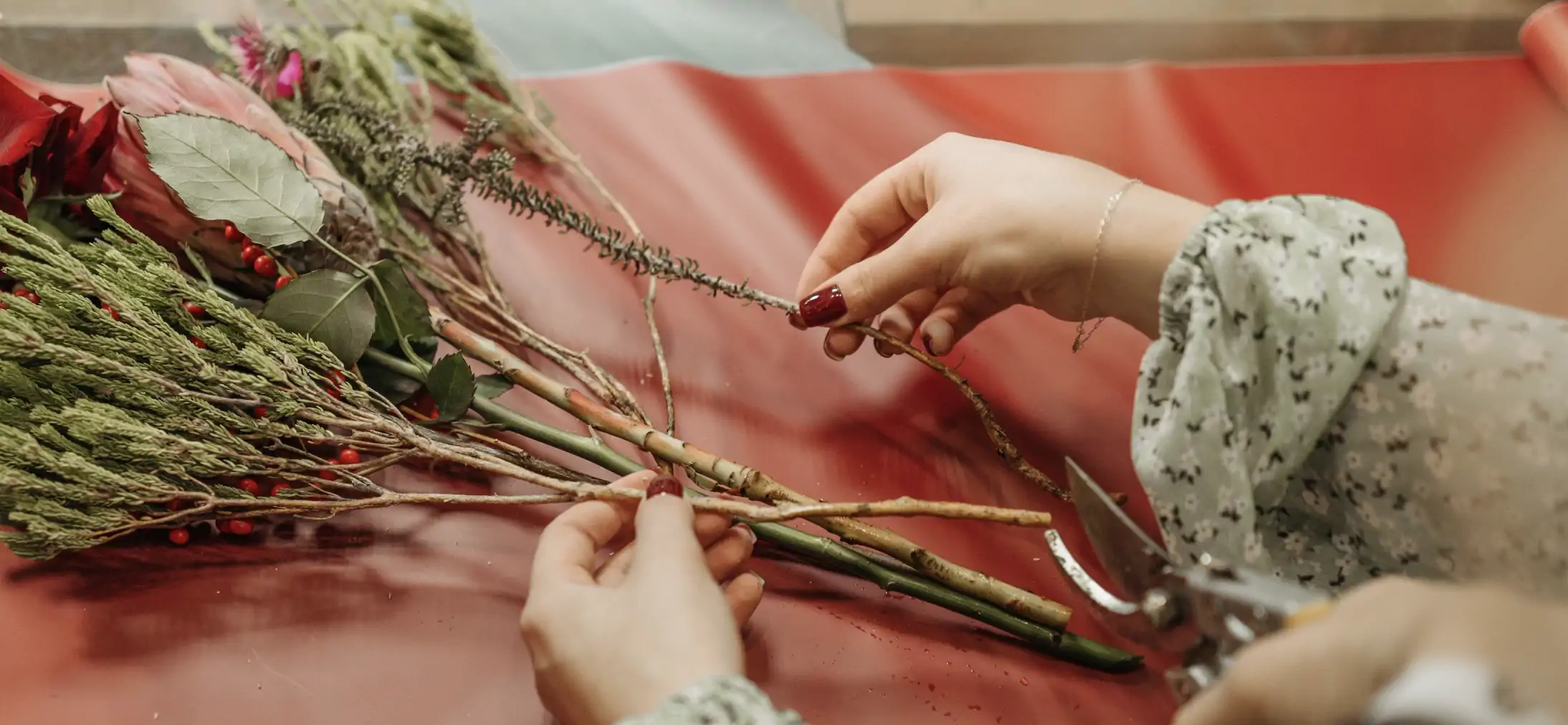
You do not need previous experience to appreciate this approach. A workshop can be a way to explore the principles firsthand and discover how a few carefully chosen materials can come together as a personal composition.
The beauty of empty space
In Japanese aesthetics, what is left empty can matter as much as what is present. The concept of ma describes the space or interval between things, giving shape and meaning to what surrounds it. In ikebana, this can be seen in the distance between two stems or the open space around a single flower. Nothing needs to fill every corner. Sometimes, the space left untouched is what allows the arrangement to come together.
- Published
- October 21, 2026
- Words by
- Anano Atabegashvili